Woody scents are one of the foundational fragrance families in perfumery, but the name can be misleading. They do not simply smell like lumber or a forest. Depending on the materials and accords used, woody fragrances can feel dry, creamy, earthy, smoky, green, resinous or warm.
Woody notes also often provide structure rather than dominating the opening. Cedarwood, sandalwood, vetiver, patchouli, oud and related materials may become more noticeable as brighter citrus, aromatic or floral notes fade, helping shape the heart and drydown. These materials are used across fragrances marketed as feminine, masculine and unisex.
If you are trying to understand a woody fragrance description, compare different woody styles or decide which direction suits your preferences, this guide covers the major woody notes and substyles, the difference between earthy and woody scents, woody floral combinations, popular pairings and the characteristics that can help you narrow down your preferred style.
What Are Woody Scents?
Woody scents are fragrances whose overall character centers on materials or accords that evoke wood, roots, bark, resins or related earthy and dry effects. Common woody notes include sandalwood, cedarwood, vetiver, patchouli, oud, pine and cypress.
The category is defined by scent character rather than simply by where a material comes from. Vetiver, for example, comes from the roots of a grass, while patchouli is obtained from leaves, yet both can contribute the earthy or woody structure associated with this fragrance family.
Fragrantica's woody-family classification centers on sandalwood, cedar and vetiver, often alongside resinous or balsamic materials. It also describes many woody fragrances as developing from brighter citrus or aromatic openings into warm, dry or creamy woody cores.
What Does a Woody Scent Smell Like?
A woody scent can feel dry and crisp, creamy and smooth, earthy, smoky, resinous, green or warm. The exact impression depends on which woody materials are present and what other notes surround them.
|
Woody direction |
What it may suggest |
Common examples |
|
Dry |
Crisp wood, pencil shavings, dry bark |
Cedarwood, vetiver |
|
Creamy |
Smooth, soft, rounded wood |
Sandalwood, smooth woods, soft musk |
|
Earthy |
Roots, soil, moss, forest floor |
Vetiver, patchouli, moss |
|
Smoky |
Dry smoke, charred wood, darker woody effects |
Birch-like effects, oud, charred wood accords, vetiver |
|
Resinous |
Balsamic, rich, incense-like depth |
Frankincense, labdanum, balsamic woods |
|
Green |
Conifer needles, foliage, fresh forest character |
Cypress, pine, fir, vetiver |
|
Warm |
Smooth wood with gentle warmth or spice |
Sandalwood, amber woods, soft spices, tonka-style supporting accords |
Some woody materials can sit in more than one direction. Sandalwood may feel both creamy and warm, while vetiver can be dry, green and earthy depending on the material and fragrance composition. This is why woody does not describe one smell. It describes a family of textures and structural effects.
The Main Woody Fragrance Notes
Different woody materials can create very different scent impressions. Knowing which notes are shaping a fragrance is therefore more useful than treating “woody” as one uniform smell.
Sandalwood
Sandalwood typically smells creamy, soft, warm and smooth. It is often used to create a rounded woody base and generally feels softer than drier woods such as cedarwood.
Cedarwood
Cedarwood tends to smell dry, crisp and distinctly woody, sometimes with a pencil-shaving-like quality. It gives a fragrance structure and dryness without the creamy character associated with sandalwood.
Vetiver
Vetiver can smell earthy, grassy, rooty, dry and sometimes smoky. It comes from the roots of a grass rather than wood, but its dry, earthy character places it firmly within the broader woody fragrance family. Its vetiver scent profile can also move between greener, fresher and smokier directions depending on the composition.
Patchouli
Patchouli typically has an earthy, deep and woody character. Depending on the material and composition, it may also have slightly sweet, green or camphoraceous facets.
Oud
Oud sits on the darker side of the woody spectrum and can smell resinous, smoky, woody and sometimes leathery or animalic. Its depth makes it quite different from softer woods such as sandalwood or fresher woody materials such as cypress, which is why oud fragrance occupies such a distinctive place within the wider woody family.
Pine, Fir & Cypress
Pine, fir and cypress generally bring a green, fresh, coniferous and forest-like character to woody fragrances. They are especially useful for understanding the fresher, more aromatic side of the family.
Woody Scents Are Usually About Structure, Not One Ingredient
A fragrance can smell distinctly woody even when no single woody note dominates. The effect can come from several materials working together, including cedarwood, vetiver, patchouli, sandalwood, moss, amber woods and resinous materials.
That distinction matters. Cedarwood, for example, is an individual woody note, while woody describes the broader fragrance family or overall scent direction created by the composition. A fragrance can therefore smell woody because of its combined structure rather than one clearly identifiable ingredient.
This is also why two fragrances can contain several of the same woody notes and still smell different. Their proportions and supporting materials can shift the overall effect toward dry, creamy, earthy, warm or smoky.
The Main Types of Woody Scents
Woody fragrances can move into several substyles depending on the notes surrounding the woody structure. Common woody-related categories include woody aromatic, woody spicy, woody chypre, woody floral musk and woody aquatic fragrances.
Woody Aromatic
Woody aromatic fragrances tend to feel fresh, herbal, clean and woody. Lavender, rosemary, green aromatics and citrus are often paired with woods to give this style a brighter, more aromatic character.
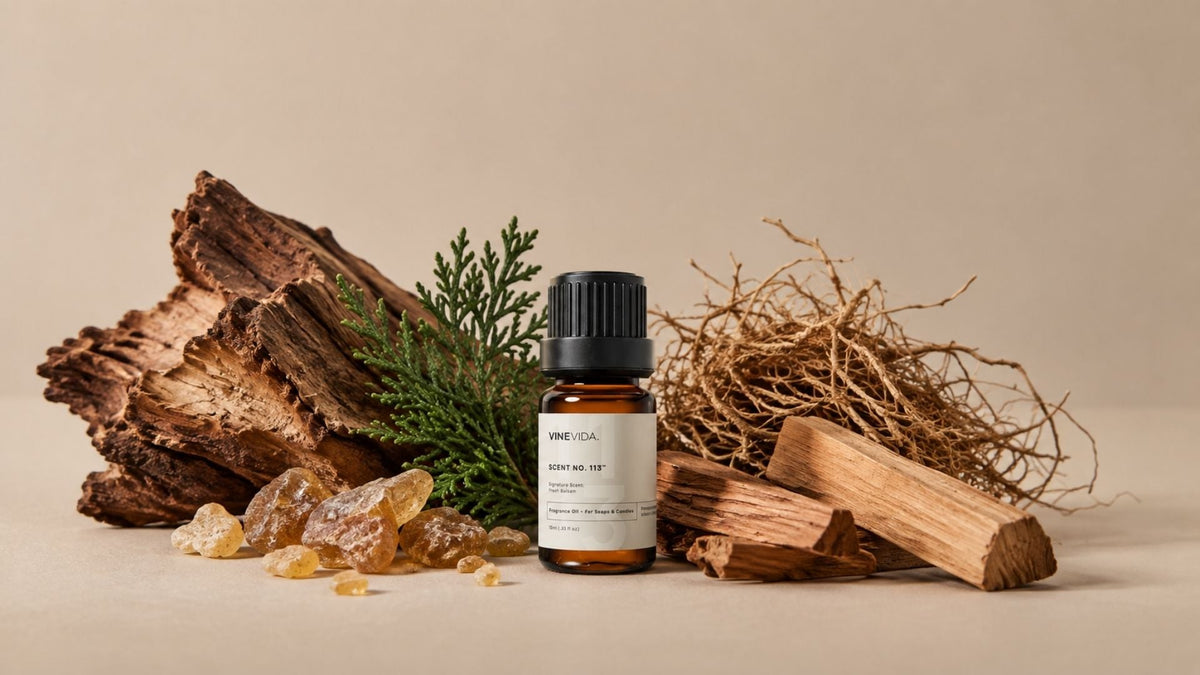
That fresher side of the family is reflected in NO. 113 - Fresh Balsam, which sits comfortably within the woody aromatic direction.
Woody Spicy
Woody spicy fragrances are usually warm, dry, rich and aromatic. Black pepper, cardamom, cinnamon, clove and nutmeg are common partners for woody notes.
Fragrantica describes woody spicy fragrances as combining woods with warm spices such as pepper, clove, nutmeg and cinnamon. NO. 3718, Inspired by Splendid Wood (Unisex) by Yves Saint Laurent falls into this warmer, spicier side of the woody family.
Woody Floral
Woody floral scents combine floral softness with the depth and structure of a woody base. They often feel elegant and balanced, with a gentler character than drier woody styles.
NO. 184 - Walk In The Woods shows how the woody family can take on a softer floral character without losing its underlying depth.
Woody Musk
Woody musk fragrances bring together woody structure and the soft, clean, warm or skin-like character of musk. Sandalwood, cedar and softer florals are often found in this style.
A cooler take on that direction appears in NO. 124 - Frozen Lake, where the woody character is softened by a cleaner musky feel.
Woody Chypre
Woody chypre fragrances place woods within the dry, mossy, structured and earthy framework associated with chypre. Bergamot, patchouli, labdanum and oakmoss-style effects often help shape this style.
NO. 3804, Inspired by Bois D'Argent (Unisex) by Dior sits on this more polished, structured side of woody fragrance.
Woody Aquatic
Woody aquatic fragrances combine fresh, watery or mineral effects with woody depth. The fresher side keeps the fragrance light and transparent, while the woody base adds structure underneath.
That contrast comes through in NO. 1015, Inspired by Ocean Eyes & Grace Vanderbilt Hotel, which represents the fresher aquatic side of woody fragrance.
Earthy and Woody Scents: What's the Difference?
Earthy scents tend to evoke soil, roots, moss, damp forest floors and fallen leaves, while woody scents more often suggest bark, dry wood, polished timber, creamy woods or resins. The two can overlap considerably, but they do not describe exactly the same scent character.
Vetiver, patchouli, mossy materials and earth accords often sit on the earthy side, while cedarwood, sandalwood, oud and cypress show the broader range of woody effects. Cedarwood may feel dry rather than earthy, sandalwood can be creamy, and vetiver can move between both directions depending on the composition.
What Makes a Woody Scent Smell Earthy?
A woody scent moves toward an earthier character when the composition starts to suggest roots, dampness and the forest floor rather than clean or polished wood. Vetiver, patchouli, moss, damp wood accords and rooty materials are common contributors.
The difference is mostly one of atmosphere. Clean cedar may suggest dry timber, while the addition of mossy, root-like or damp effects makes the same woody structure feel closer to soil, leaves and a forest floor.
Woody Floral Scents
Woody floral scents combine a floral heart with a woody base, creating a contrast between softness and structure. Depending on the composition, the style can feel light and elegant, warm and creamy, or richer and more substantial.
Fragrantica's broader fragrance-family taxonomy includes Floral Woody Musk as an established hybrid style, reflecting how naturally floral, woody and musky elements can come together in the same composition.
Popular Woody Floral Combinations
The flower and wood chosen can shift a woody floral scent in very different directions. Comparing different floral fragrance profiles also makes it easier to understand why some pairings feel airy and delicate while others are richer or more pronounced.
-
Rose + Sandalwood: Soft, creamy and elegant, with floral richness over a smooth woody base.
-
Jasmine + Cedarwood: Rich floral character with a drier, more structured woody contrast.
-
Orange Blossom + Sandalwood: Fresh and floral with a warm, smooth woody foundation.
-
Violet + Cedarwood: Powdery, dry and polished, with a more restrained feel.
-
Peony + Soft Woods: Fresh, airy and modern without much heaviness.
-
Tuberose + Sandalwood: Rich, creamy and opulent, with a fuller woody floral character.
These pairings can also help when exploring how to layer fragrances, since finished fragrances may interact differently from the individual notes that make up their scent profiles.
Creamy Woods vs Dry Woods
One simple way to narrow down your woody scent preferences is to compare creamy woods with dry woods. This distinction focuses on how the fragrance feels and can be more useful than relying on labels such as masculine or feminine.
Creamy Woods
Creamy woods tend to feel smooth, soft, warm and enveloping. Sandalwood and soft woody-musks are common examples, with a rounded character that feels gentler than crisper, drier woods.
Dry Woods
Dry woods tend to feel crisp, structured, less sweet and sometimes more austere. Cedarwood, vetiver and cypress are common examples, each bringing a clearer sense of dryness and definition.
Light Woody Scents vs Dark Woody Scents
A woody fragrance does not have to feel heavy. The notes surrounding the woody structure can make it feel either light and transparent or much deeper and more dramatic.
Light Woody Scents
Light woody scents often combine woods with bergamot or other citrus, aromatic herbs, clean musk and softer cedar effects. The result can feel fresh, transparent and modern, with the wood providing structure without making the fragrance dense.
Dark Woody Scents
Dark woody scents are more likely to feature oud, patchouli, smoke, leather-style accords, amber-style materials or resins. These combinations can feel rich, deep and dramatic, although a darker woody fragrance does not necessarily have to be sweet.
Woody Scents That Smell Clean
Clean woody scents often combine a woody base with citrus, aromatic notes or soft musk. These supporting notes can make the fragrance feel clean, fresh, crisp or modern while allowing the woody structure to remain noticeable.
Common combinations include:
-
Cedarwood + Bergamot: dry and bright
-
Sandalwood + Musk: smooth and clean
-
Vetiver + Citrus: earthy with a fresh lift
-
Cypress + Aromatics: green and crisp
The wood still provides depth and structure, while the brighter or softer notes keep the overall scent from feeling dense or heavy.
Woody Scents That Smell Warm
Warm woody scents often involve sandalwood, amber-style accords, cardamom, resins, vanilla or tonka-style supporting notes. These materials can soften the drier edges of wood and make the fragrance feel more enveloping.
Warmth and sweetness are related, but they are not the same thing. Cardamom and sandalwood, for example, can create warmth without producing the recognizable edible quality expected from a gourmand scent.
Woody Scents That Smell Smoky
Smoky woody fragrances may draw on vetiver, oud, birch-style accords, leather, incense and resinous materials. Depending on the composition, these elements can create effects ranging from dry smoke and incense to charred timber or leathery smoke.
A smoky woody scent does not necessarily smell like literal burning wood. The smoky impression may be subtle and dry, resinous and incense-like, or darker and more charred.
Woody Scents That Smell Luxurious
No single ingredient automatically makes a fragrance smell luxurious. That impression usually comes from how the notes are balanced and whether the overall composition feels soft, polished, rich or refined.
Different woody structures can create different interpretations of that effect:
-
Sandalwood + Musk: Soft, smooth and understated.
-
Oud + Rose: Rich, contrasting and opulent.
-
Cedarwood + Iris: Dry, polished and refined.
-
Vetiver + Bergamot: Crisp, clean and sophisticated.
-
Woods + Amber: Warm, full and enveloping.
These combinations show that a luxurious woody impression can be soft, dark, polished, clean or warm. The overall composition matters more than the presence of any single note.
Are Woody Scents Masculine?
Woody scents are not inherently masculine, although cedarwood, vetiver, sandalwood and other woody materials have long been common in fragrances marketed toward men. That history still influences how some people perceive the family, but it does not define how woody notes are used today.
Sandalwood, cedarwood, vetiver, oud and other woody notes now appear across feminine, masculine and unisex compositions. Fragrantica's current Woody category also includes fragrances for women, men and shared wear, which reinforces that the family extends well beyond men's perfumery.
Are Woody Scents Good for Women?
Woody scents can work very well for women, but the best style depends more on personal preference than gender. Someone who likes softer or more familiar fragrance profiles may prefer a woody style that combines depth with floral, musky, fruity or warm elements.
-
Soft Woody Floral: A good direction for someone who enjoys florals but wants more depth and structure.
-
Woody Musk: Suits clean, soft or skin-like scent preferences.
-
Creamy Sandalwood: Works well for warmer, smoother and more enveloping fragrance styles.
-
Fruity Woody: Adds brightness and freshness while keeping a woody foundation underneath.
-
Amber Woody: Creates a richer, warmer and more substantial scent profile.
Comparing these styles can make it easier to narrow down your preferences. A broader signature scent guide can then help you decide whether you naturally lean toward creamy, dry, fresh, earthy or deeper woody fragrances.
Are Woody Scents Always Heavy?
Woody scents are not always heavy. A woody base can support light, fresh or transparent compositions, depending on the notes around it. Bergamot with vetiver can feel crisp, citrus with cedarwood can feel bright, and floral notes with sandalwood can create a softer woody effect.
Woody fragrances tend to feel darker or heavier when paired with materials such as oud, leather, smoke, patchouli or heavier amber-style accords. This is why the woody family alone does not tell you how dense a fragrance will feel. The specific woods and supporting notes matter more.
What Scents Pair Well With Woody Fragrances?
Woody fragrances can pair well with citrus, florals, musk, spices, amber and gourmand notes. Each changes the woody character in a different way, from making it brighter and fresher to softer, warmer or sweeter.
-
Citrus: Brightens and freshens woody notes. Bergamot, grapefruit and lemon can give dry woods a lighter, crisper character.
-
Floral: Adds softness or elegance. Rose, jasmine and violet can contrast with the dryness or depth of woody notes.
-
Musk: Creates a softer, smoother or more skin-like finish while allowing the woody structure to remain noticeable.
-
Spice: Adds warmth and complexity. Cardamom, black pepper and cinnamon can move a woody fragrance toward either an aromatic or warmer direction.
-
Amber: Adds warmth and richness, giving the woody base a fuller and more enveloping character.
-
Gourmand: Adds sweetness and contrast. Vanilla, coffee and chocolate-inspired accords can create a warmer, more indulgent direction against a woody base.
Woody vs Musk Scents
Woody scents usually emphasize wood, roots, resins, dryness and earthiness, while musk scents tend to feel softer, more skin-like, clean or powdery. The difference is mainly one of texture and emphasis, although the two families can overlap.
In woody musk fragrances, notes such as sandalwood, cedarwood or vetiver can provide structure while musk adds softness and warmth. Because musk scent profiles can range from clean and airy to warmer or more woody, the balance between the two can vary considerably from one fragrance to another.
Woody vs Amber Scents
Woody scents center on the structure and character of woods and related woody materials, while amber scents are typically warmer and more resinous, often with balsamic, sweet or spicy facets. The two can overlap, but they emphasize different qualities.
A woody amber combines the depth and structure of woods with the warmer character of an amber accord. Understanding the broader amber scent profile also helps explain why some amber fragrances feel strongly woody while others lean more toward warmth, sweetness or resinous depth.
Woody vs Chypre Scents
Woody is a broad fragrance family, while chypre refers to a more specific structure built around contrast between a bright citrus opening and a drier, mossy base. Bergamot is commonly associated with the opening, while patchouli, labdanum and mossy effects contribute depth underneath.
A fragrance can therefore be both woody and chypre. In a woody chypre, woods become more prominent within that dry, mossy structure. Understanding the broader chypre fragrance structure helps clarify why this style differs from woody fragrances that are creamy, fresh or resinous instead.
Woody vs Oud Scents
Oud belongs within the broader woody fragrance family, but the two terms are not interchangeable. Oud can bring dark, resinous, smoky or leathery qualities, while other woody materials can create very different effects.
Sandalwood may feel creamy and smooth, cedarwood dry and crisp, vetiver earthy or fresh, and cypress green and aromatic. Someone who does not enjoy oud may therefore still like many other woody scents. Understanding the broader oud fragrance profile helps show why oud represents only one direction within the much wider woody family.
How to Know Which Woody Scent You'll Like
A simple way to narrow down woody scents is to compare the qualities you naturally prefer. These contrasts can help you identify which direction of the woody family is most likely to suit you.
|
Preference |
If you prefer the first |
If you prefer the second |
|
Creamy or Dry |
Sandalwood for a smooth, soft woody character |
Cedarwood or vetiver for a crisper, drier effect |
|
Fresh or Deep |
Vetiver with citrus, cypress or aromatic woods |
Oud, patchouli or resinous woods |
|
Clean or Earthy |
Cedarwood with musk or sandalwood with citrus |
Vetiver, patchouli or mossy woods |
|
Floral or Spicy |
Rose with sandalwood or jasmine with cedarwood |
Cedarwood with pepper or sandalwood with cardamom |
These comparisons are starting points rather than fixed rules. The same woody note can shift depending on the rest of the composition, but comparing these broad directions can make it easier to identify the styles you are most likely to enjoy.
Conclusion
Woody scents cover a broad range, from creamy sandalwood and dry cedarwood to earthy vetiver, deep patchouli and darker oud. Depending on the materials and accords around them, woody fragrances can feel fresh, green, smoky, resinous, warm or more grounded and earthy.
That flexibility is why woody notes work across floral, aromatic, spicy, chypre and musk styles, as well as feminine, masculine and unisex fragrances. Earthy and woody scents overlap most strongly through materials such as vetiver, patchouli and moss, while woody floral scents balance floral softness with a more structured base. To explore a warmer side of the family, VINEVIDA’s spicy and woody fragrance combinations offer a natural next step.
Frequently Asked Questions
What are woody scents?
Woody scents are fragrances built around notes and accords that suggest wood, roots, bark, resins or related earthy effects. Common woody materials include sandalwood, cedarwood, vetiver, patchouli, oud and cypress. The family is broad, so one woody fragrance may feel creamy and warm while another is dry, green or smoky.
What does a woody scent smell like?
A woody scent can smell dry, creamy, earthy, green, smoky, resinous or warm. Cedarwood tends toward a crisp, dry character, while sandalwood is usually smoother and creamier. Vetiver can feel earthy or grassy, and oud often sits on the darker, more resinous side of the family.
What are earthy and woody scents?
Earthy and woody scents overlap when woody materials create impressions of roots, moss, soil or forest floor. Vetiver, patchouli and mossy accords commonly contribute to this effect. Not every woody scent is earthy, though, since cedarwood can feel dry and sandalwood can feel creamy without suggesting soil or damp forest.
What are woody floral scents?
Woody floral scents combine floral notes with a woody foundation. The flowers bring softness, freshness or richness, while the woods add structure and depth. Combinations such as rose with sandalwood or jasmine with cedarwood show how the balance can range from creamy and elegant to richer and drier.
Are woody scents unisex?
Woody scents can work across feminine, masculine and unisex fragrance styles. Although some dry woody notes have long been associated with fragrances marketed toward men, materials such as sandalwood, cedarwood, vetiver and oud are used much more broadly. The surrounding floral, citrus, musk, spice or amber notes can also change how the finished fragrance is perceived.
How do I know which woody scent I like?
Start by comparing a few basic preferences, such as creamy or dry, fresh or deep, clean or earthy, and floral or spicy. Sandalwood is a useful reference for creamy woods, cedarwood for dry styles, vetiver for earthy or fresh directions, and oud for darker woody fragrances. Trying scents across these contrasts can help you identify the part of the woody family you enjoy most.