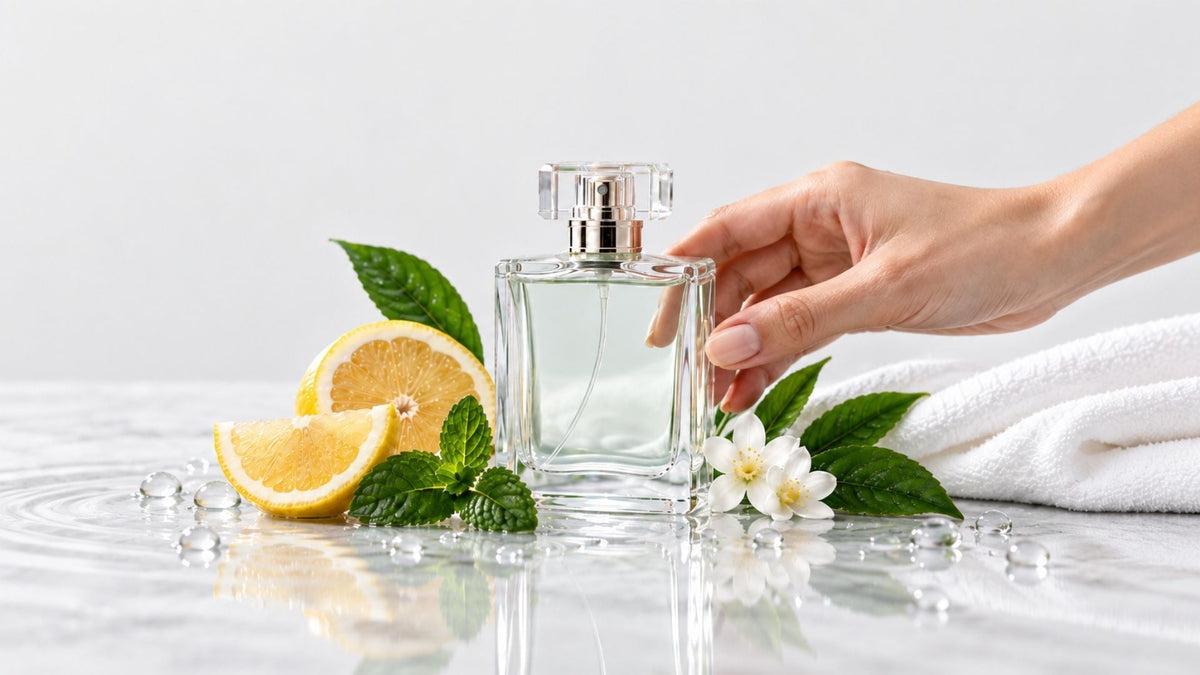
Fresh perfume scents can smell very different from one another. One may be bright with citrus peel, while another brings to mind clean laundry, ocean air, green leaves, tea, soft musk or fresh flowers. That variety is what makes fresh fragrance a broad scent direction rather than one specific smell.
Many people are drawn to fresh perfumes because they can feel bright, clean, easy to wear and less heavy than richer scent styles. Some are crisp and airy, while others have more floral, woody or musky depth. Fresh does not automatically mean weak, sporty, simple or short-lived.
This guide explains the main fresh perfume styles, the notes that create them, and how clean, citrus, aquatic and green scents differ. It also covers fresh perfume scents for women, warmer and longer-lasting fresh profiles, and how to identify the type of freshness you actually enjoy.
What Are Fresh Perfume Scents?
Fresh perfume scents are fragrances that give an overall impression of brightness, cleanliness or airiness. Depending on the composition, they may feel crisp, watery, green, cooling or light and transparent.
Freshness is not created by one specific perfume ingredient. It can come from several different notes and fragrance effects, including:
-
Citrus such as bergamot, lemon and grapefruit
-
Aquatic or ozonic accords
-
Green leaves, grass and other leafy effects
-
Aromatic herbs such as lavender, rosemary, sage and mint
-
Tea notes
-
Aldehydic or other clean effects
-
Light florals such as peony and freesia
-
Soft or clean musks
Because these materials create freshness in different ways, two perfumes described as fresh can smell very different. One might be sparkling and citrusy, while another is watery, leafy, herbal, floral or softly musky.
The Main Types of Fresh Perfume Scents
Freshness can come from very different parts of a fragrance. Citrus adds sparkle, aquatic accords create a cool watery effect, while green notes, herbs, tea, florals and musk take freshness in other directions.

These styles often overlap. A perfume might combine bergamot, tea, musk and woods, so the finished scent can move through more than one kind of freshness as it develops.
Citrus Fresh
Bergamot, lemon, grapefruit, mandarin, orange and lime give citrus-fresh perfumes their bright, zesty character. This is often the most immediate kind of freshness, especially in the opening, and it suits someone who wants a lively scent without a strong laundry or aquatic effect.
Citrus does not have to remain sharp or simple. Tea, herbs, florals, musk and dry woods can soften the brightness or give the fragrance more structure as it develops.
Aquatic Fresh
Aquatic fragrances bring to mind water, sea air, mist, ozone and mineral freshness. They generally feel cool, airy and transparent rather than leafy or strongly citrus-driven.
The watery impression is usually created through a blend of fragrance materials and accords rather than an extract taken directly from the ocean. Aquatic perfumes may also include citrus, herbs, florals, musk or woods, which is why some smell distinctly marine while others feel much softer.
Green Fresh
Green-fresh fragrances lean toward leaves, grass, stems, herbs, fig leaf and other plant-like effects. They can feel crisp and freshly cut, sometimes with a slightly bitter or vegetal edge.
This style is a good fit for someone who wants freshness to feel botanical rather than soapy or marine. Tea, herbs and green accords can reinforce that leafy character.
Clean Musk Fresh
Clean musk takes freshness in a softer direction, bringing to mind fresh skin, fabric, powder, soap or clean laundry rather than citrus peel or greenery.
Musk does not have one fixed scent profile. It can smell clean and airy in one composition, then feel powdery, creamy, warm or woody in another, which is why understanding how musk smells can help when comparing fresh musk fragrances. You can see the same variation in musky scents for women, which may lean clean and soft or warmer depending on the notes around the musk.
Floral Fresh
Fresh florals keep flowers noticeable without becoming especially dense or heavy. Peony, freesia, lily, orange blossom, light rose and fresh jasmine can all work in this direction.
The notes around the flowers help shape the final effect. Citrus can brighten them, green or watery notes can make them feel more transparent, and musk can create a softer finish. Depending on the composition, the result may lean feminine or feel unisex.
Aromatic Fresh
Lavender, rosemary, sage, mint and other herbal notes create a cooler, more aromatic kind of freshness. These fragrances often feel brisk, clean and green, with more herbal character than a soft musk or floral scent. Citrus can add brightness, while woods or musk may give the drydown more structure.
Tea Fresh
Tea gives freshness a drier and quieter character. Green tea often feels leafy, white tea tends to come across softer and more delicate, while black tea can add a slightly deeper or more pronounced impression.
Bergamot pairs naturally with tea because it adds brightness without necessarily making citrus the main focus. Tea is not always treated as a formal fragrance family, but it remains a useful scent direction for anyone who wants freshness without an obvious laundry, marine or citrus effect.
Fresh vs Clean Perfume: Are They the Same?
No. Fresh is the broader description, while clean is one way a fragrance can express freshness. A perfume can smell like grapefruit, mint, green leaves or sea air and still feel fresh without suggesting soap or laundry.
The distinction is easier to see side by side:
|
Fresh perfume may evoke |
Clean perfume more often evokes |
|
Citrus |
Soap |
|
Green leaves |
Linen |
|
Sea air |
Shampoo |
|
Herbs |
Fresh skin |
|
Tea |
Cotton |
|
Light florals |
Soft musk or laundry effects |
Clean fragrances often feel fresh, but fresh fragrances do not have to smell clean. A grapefruit-and-vetiver composition, for example, can feel crisp and fresh while remaining dry and woody rather than soapy.
Fresh vs Citrus Perfume
Citrus is one route to freshness, not a synonym for fresh fragrance. Lemon, bergamot, grapefruit, lime, orange and mandarin can bring a bright, zesty character, particularly near the opening, but freshness can also come from aquatic accords, green notes, aromatic herbs, tea, musk or light florals.
If obvious lemon or orange notes are not your preference, green, aquatic, tea, aromatic and clean-musk profiles can provide a completely different kind of freshness.
Fresh vs Aquatic Perfume
Fresh is the broader category, while aquatic describes a more specific direction based on impressions of water, moist air, sea breeze, ozone or mineral freshness.
Aquatic fragrances often feel cool, transparent and modern. Their watery quality is generally created through constructed fragrance accords, which can make them feel more abstract than citrus-led or botanical fresh styles. If freshness makes you think of mist, cool water or coastal air, aquatic fragrances are the most obvious place to start.
Fresh vs Green Perfume
Green perfume expresses freshness through plant-like impressions such as leaves, grass, herbs and stems. These scents often feel crisp and botanical, sometimes with a slightly bitter, leafy or freshly cut edge.
Fresh perfume as a whole is much broader and may instead be citrusy, aquatic, musky, floral or aromatic. Green styles also tend to feel less sweet and more plant-like than many clean-musky fragrances.
That leafy freshness is different from earthy scents, which move further toward roots, moss, soil and forest-floor impressions.
What Notes Make a Perfume Smell Fresh?
Freshness can be created in several ways. Some materials add brightness or airiness, while others make a fragrance feel clean, botanical, floral or dry.
|
Function |
Common notes or effects |
What they contribute |
|
Brightness |
Bergamot, lemon, grapefruit, mandarin |
Sparkling, lively freshness |
|
Airiness |
Aquatic accords, ozone, some aldehydic effects |
Coolness, lift and transparency |
|
Cleanliness |
Clean musk, linen accords, soap-like effects |
Fresh skin, fabric or washed effects |
|
Botanical freshness |
Green leaves, tea, herbs, mint, fig leaf |
Crisp, leafy or herbal character |
|
Floral freshness |
Peony, freesia, lily, orange blossom |
Soft, airy floral character |
|
Dry freshness |
Vetiver, cedarwood, light woods |
Dryness and woody structure |
Not every material behaves the same way in every perfume. Aldehydes, musks and woods in particular can have very different characters depending on the material and the rest of the composition.
What makes a perfume smell fresh is therefore usually the relationship between several notes, not one ingredient on its own.
Fresh Perfume Scents for Women
Fresh perfume scents for women range from clean and understated to citrusy, floral, aquatic, green or woody. Instead of searching for one best fresh perfume, it is more useful to decide which direction matches the way you want freshness to feel.
Clean & Soft Fresh Perfume for Women
White musk, soft florals, aldehydic clean effects and linen-style accords can create a polished, close-to-the-skin freshness. This direction leans toward clean skin and fabric rather than sharp citrus or ocean-inspired notes.
Citrus Fresh Perfume for Women
Bergamot, grapefruit, mandarin and neroli bring a brighter, more sparkling character. Citrus freshness is especially noticeable near the opening and works well when you want something lively without the softer laundry effect of clean musk.
Floral Fresh Perfume for Women
Peony, freesia, light rose, orange blossom and lily can keep a floral perfume light without losing its flower character. Citrus or green notes may sharpen the freshness, while musk can soften the finish.
Aquatic Fresh Perfume for Women
Water accords, marine notes, ozone and aquatic florals create a cooler, more transparent style. Some aquatic perfumes lean distinctly marine; others are closer to mist, fresh air or a soft watery floral effect.
Green Fresh Perfume for Women
If you prefer something more botanical, look toward tea, fig leaf, herbs, green florals or vetiver. These profiles tend to feel crisp, leafy or slightly dry and can be a useful alternative to sweeter fruity or heavily floral scents.
Fresh Woody Perfume for Women
Fresh woody fragrances keep some brightness at the top while giving the drydown more structure. Common directions include:
-
Bergamot + cedarwood
-
Citrus + vetiver
-
Musk + sandalwood
-
Green notes + woods
This balance can work well when purely airy freshness feels too light. Exploring different woody scents also helps show how cedarwood, sandalwood and vetiver can shift a fresh fragrance toward something drier, smoother or more grounded.
What Makes a Fresh Perfume Smell Expensive?
There is no single note that makes a fresh perfume smell expensive. A more refined impression often comes from structure and contrast, with bright notes supported by materials that add softness, dryness or depth as the fragrance develops.
Bergamot with tea and musk, for example, can move from sparkling citrus into a softer, drier finish. Grapefruit with vetiver and cedarwood takes freshness in a sharper, more structured direction. Dry woods, musk, tea, soft florals and mineral effects can all add dimension, especially when sweetness stays balanced.
Fresh Perfumes That Don't Smell Like Laundry
If laundry, soap or freshly washed fabric is not what you mean by fresh, look beyond clean-musk styles. Citrus with vetiver, green tea, fig leaf, aromatic herbs, bergamot with cedarwood, and aquatic or mineral compositions can all create freshness without leaning heavily into a laundry effect.
Pay more attention to perfumes built around linen accords, soap-like notes, clean cotton effects or especially laundry-forward musks if that is the style you want to avoid. Green notes, citrus peel, herbs, tea and mineral effects can still feel crisp and fresh while keeping the overall fragrance more botanical, dry or airy.
Fresh Perfumes That Aren't Too Citrus
Freshness does not have to come from lemon, orange or other citrus notes. If you want a fresh perfume without a strong citrus character, look toward tea, green notes, aquatic accords, lavender, soft musk, peony, freesia, vetiver or mineral effects.
Each of these takes freshness in a different direction. Tea and vetiver can feel drier, green notes more botanical, aquatic and mineral accords cooler, while soft musk and light florals create a gentler kind of freshness. Citrus may still appear in the background, but it does not have to dominate the scent.
Fresh Perfumes That Aren't Too Sweet
Fresh and sweet are separate characteristics, so a perfume can feel crisp and fresh without being sugary. Vetiver, cedarwood, tea, bergamot, green notes, aquatic accords and aromatic herbs are useful directions to explore when you want freshness with a drier or less sweet character.
If sweetness is something you want to limit, pay attention to fragrances where vanilla, caramel, syrupy fruit or gourmand accords are especially prominent. Fruity perfumes can still smell bright and fresh, but some also carry noticeable sweetness, so a fresh description alone does not necessarily mean the fragrance will smell dry or unsweetened.
Can Fresh Perfume Still Be Warm?
Yes. A perfume can open fresh and become warmer as it dries down. Bright citrus, tea or floral notes can provide the initial freshness, while musk, sandalwood, cedarwood, soft woods or amber-style accords bring more warmth as the fragrance develops.
Bergamot with sandalwood can move from bright citrus into a smoother woody drydown, while tea with cedarwood keeps some dryness beneath the freshness. Musk with amber-style accords or fresh florals with musk can create a softer transition from fresh to warm.
A fresh opening and warm drydown can give a perfume more depth without losing its fresh character altogether. This makes it possible to choose a fragrance that feels crisp at first but softer and warmer later in the wear.
Can Fresh Perfume Last a Long Time?
Yes. Freshness itself does not determine how long a perfume lasts. Bright citrus notes are often more volatile and may become less noticeable relatively early, while the rest of the fragrance continues to develop.
A fresh opening can be supported by more persistent materials in the heart and base, including certain musks, woods, vetiver and amber-style notes. The perfume may therefore remain noticeable for hours even after its first crisp or citrusy impression has faded into a muskier, woodier or warmer drydown.
Concentration can also influence how a fragrance wears, but it is only one part of the picture. The composition itself, the materials used, application and individual perception all matter, which is why understanding fragrance concentration is more useful than assuming every fresh perfume will be short-lived.
Why Some Fresh Perfumes Disappear Quickly
Fresh perfumes can seem to fade quickly for several reasons. Sometimes the brightest notes fade first, while some compositions intentionally keep the overall scent light and transparent.
Possible reasons include:
-
Citrus-heavy composition: Citrus notes often dominate the opening but may fade relatively quickly.
-
Highly volatile top notes: These materials evaporate faster, allowing the heart and base of the fragrance to become more noticeable.
-
Lighter concentration: A lower fragrance concentration can produce softer wear, although concentration alone does not determine longevity.
-
Subtle base: A restrained base may leave less noticeable scent after the brighter opening fades.
-
Skin and environment: Temperature, skin characteristics, application and surroundings can change how strongly you perceive a fragrance.
-
Olfactory adaptation: Continued exposure to the same scent can temporarily reduce your sensitivity to it.
Shorter or softer wear does not automatically indicate poor quality. Some perfumers intentionally create fresh fragrances with a sheer, airy or fleeting character rather than a dense, persistent one.
Fresh Perfume for Hot Weather
Fresh styles such as citrus, aquatic, green, tea, aromatic and light floral fragrances often work well in hot weather because they can feel airy, crisp and less dense on the skin.
If you want a lighter warm-weather scent, these directions are useful starting points:
-
Bright: Citrus
-
Cool: Aquatic
-
Botanical: Green
-
Dry: Tea
-
Herbal: Aromatic
-
Soft: Light floral
That does not mean richer perfumes are unsuitable for summer. Fragrance preference is personal, and someone who enjoys amber, vanilla or deeper woody scents may still choose them in warm weather.
Fresh Perfume for Everyday Wear
Fresh fragrances are often chosen for the office, errands, daytime plans and casual settings because they can feel familiar, easy to wear and less demanding than denser scent styles. In close indoor spaces, moderate sweetness, a clean or dry drydown and controlled projection can also make a fragrance easier to live with over several hours.
That does not make every fresh perfume automatically subtle or office-friendly. Citrus, aromatic, aquatic and musky fragrances can still project strongly, and some may feel sharper or more noticeable than expected.
The better approach is to judge the individual fragrance rather than the fresh label alone. For everyday wear, the most useful question is whether the scent still feels comfortable and appropriate after the opening fades and the drydown becomes more noticeable.
Fresh Perfume for Evening Wear
Fresh perfume can work just as well in the evening as it does during the day. The difference often comes from what sits beneath the fresher notes: woods, sandalwood, musk, amber-style accords or incense can add depth without removing the bright or airy character.
Useful evening directions include:
-
Citrus + woods: Keeps the fragrance bright while adding a drier, more grounded base.
-
Musk + amber-style accords: Softens the freshness and adds warmth.
-
Aquatic + incense or woods: Keeps a cool, airy effect while giving the scent more depth.
-
Floral + sandalwood: Balances fresh florals with a smoother, warmer drydown.
-
Bergamot + vetiver: Creates a crisp opening with a dry, structured finish.
These combinations let a fragrance stay fresh while becoming fuller as it develops. If you want to experiment with that contrast, layering fragrances can help you combine fresher notes with warmer or woodier profiles.
Fresh Perfumes by Mood
If fragrance-family terms feel too technical, starting with the effect you want can make scent selection easier.
|
If you want... |
Look for... |
|
Crisp |
Citrus + green notes |
|
Clean |
Musk + linen or soap-like effects |
|
Calm |
Tea + soft woods |
|
Airy |
Aquatic notes + light florals |
|
Sophisticated |
Vetiver + bergamot |
|
Soft |
Musk + peony |
These mood descriptions are simple shortcuts rather than formal fragrance categories, but they can help narrow the fresh styles you may want to sample first.
How to Choose a Fresh Perfume Without Smelling 50 Bottles
You can narrow the search considerably before sampling dozens of fragrances. Start by defining what fresh means to you, then use sweetness and drydown to filter the options further.
Step 1: Decide What Fresh Means to You
Think about the scent you picture when you hear fresh:
-
Citrus peel
-
Clean laundry
-
Ocean air
-
Green leaves
-
Tea
-
Fresh flowers
These point toward very different fragrance styles, so choosing one or two directions first can quickly reduce the number of perfumes worth sampling.
Step 2: Decide How Sweet You Want It
Fresh perfume does not have to be completely dry. Decide whether you prefer something very dry, lightly sweet, fruity or floral-soft.
If sweetness tends to bother you, tea, green notes or drier woody profiles may make more sense than sweet fruit-forward fragrances.
Step 3: Choose the Kind of Drydown You Prefer
The opening tells only part of the story. Think about what you want to smell once the brightest fresh notes begin to fade:
-
Almost transparent freshness
-
Soft musk
-
Dry woods
-
A warmer base
This choice helps separate perfumes that start similarly but develop in very different directions.
Step 4: Sample Within One Fresh Style
Compare similar fragrances rather than jumping between unrelated families. Smelling three citrus-fresh perfumes together, for example, makes it easier to notice whether one leans greener, another muskier and another woodier.
If you are still working out your broader fragrance preferences, VINEVIDA’s guide to creating a signature scent can help you think through the notes and scent directions you are naturally drawn to.
Step 5: Give the Drydown Time
Do not choose a fresh perfume from its opening alone. As it develops, that first citrus, aquatic or green impression may give way to:
-
Musk
-
Woods
-
Amber-style notes
-
Florals
-
More noticeable sweetness
Wear the most promising samples long enough to experience that change before deciding which one you prefer.
Fresh Scent Profiles for Different Preferences
If you know how you want a fresh perfume to feel but are less sure which scent style to choose, this quick guide can help narrow the options.
|
If you want... |
Fresh style to explore |
|
Fresh and feminine |
Floral fresh |
|
Fresh and clean |
Musk or linen-style freshness |
|
Fresh but not sweet |
Green or vetiver-led freshness |
|
Fresh and luxurious |
Citrus + woods + musk |
|
Fresh and aquatic |
Marine or mineral profiles |
|
Fresh and natural-smelling |
Green or aromatic profiles |
|
Fresh but warm |
Citrus + sandalwood or musk |
Green and aromatic profiles often give the most botanical impression, while woods, musk and sandalwood can add more depth or warmth without taking away the fresh character.
Common Misconceptions About Fresh Perfume
Fresh perfume is often reduced to a few familiar ideas: citrus, soap, summer and light projection. In practice, the category is much broader.
Fresh Perfume Always Smells Like Soap
It doesn’t. Soap and laundry effects are only one expression of freshness; citrus, green, aquatic, tea and aromatic fragrances can feel fresh without smelling clean or soapy.
Fresh Means Citrus
Citrus is one of the clearest ways to create brightness, but it is only one route. Freshness can also come from green notes, herbs, aquatic accords, tea, light florals and musk.
Fresh Perfumes Are Weak
A fresh scent can be subtle, but it can also project strongly. Fresh describes the character of the fragrance, not how noticeable it will be.
Fresh Perfumes Don't Last
Some of the brightest notes may fade early, especially in citrus-led compositions, but the fragrance can continue through musk, vetiver, woods or other base materials. A fresh opening does not automatically mean a short-lived perfume.
Fresh Perfumes Are Only for Summer
Warm weather often suits lighter citrus, aquatic and green styles, but fresh perfumes can work year-round. Woody, musky or warmer drydowns can give them more depth in cooler weather.
Fresh Perfumes Are Only for Women
Freshness is not tied to one gender. Citrus, aquatic, aromatic, green and musky profiles appear across fragrances marketed to women, men and as unisex.
Aquatic and Fresh Mean the Same Thing
Aquatic is one fresh direction, not the whole category. It focuses on watery, marine, ozonic or mineral effects, while fresh perfume can also be citrusy, green, aromatic, floral, tea-based or musky.
Conclusion
Fresh perfume scents can be citrusy, aquatic, green, clean, floral, aromatic or musky, and the effect comes from the overall composition rather than one single note. Depending on the blend, freshness can feel bright, watery, botanical, soft or clean, and it does not automatically mean weak, short-lived or limited to warm weather.
The easiest way to choose a fresh perfume is to first decide what fresh means to you, then consider the sweetness, warmth and drydown you prefer. If you are creating your own fragrance, VINEVIDA’s Perfume Fragrance Oils collection is a natural place to explore different scent directions for perfume projects.
Frequently Asked Questions
What are fresh perfume scents?
Fresh perfume scents are fragrances that feel bright, clean, airy, watery, green or cooling overall. That effect can come from citrus, aquatic accords, herbs, tea, light florals, green notes or musk, so two perfumes described as fresh may smell very different from one another.
What is the difference between fresh and clean perfume?
Fresh is the broader description. Clean perfumes tend to suggest soap, linen, shampoo, fresh skin or soft musk, while fresh fragrances can also lean citrusy, aquatic, green, aromatic, floral or tea-like. A scent can therefore feel very fresh without having a laundry or soapy character.
What notes make a perfume smell fresh?
Bergamot, lemon, grapefruit and mandarin can add brightness, while aquatic or ozonic accords create a cooler, airier effect. Green leaves, tea, herbs and mint bring botanical freshness, and light florals, clean musks, vetiver or dry woods can shape softer or more structured fresh profiles.
What fresh perfumes don't smell like laundry?
Look toward citrus with vetiver, green tea, fig leaf, aromatic herbs, bergamot with cedarwood, or aquatic and mineral profiles. If you want to avoid a laundry effect, pay closer attention to fragrances built around linen, clean cotton, soap-like accords or strongly laundry-style musks.
Can fresh perfume last all day?
Some can, but longevity depends on the individual fragrance rather than freshness alone. Bright citrus or other volatile opening notes may fade earlier, while musk, vetiver, woods or other base materials continue into the drydown. Concentration, composition, application and individual perception can all affect how long a perfume seems to last.
Are fresh perfumes only for women?
No. Fresh fragrance styles appear across perfumes marketed to women, men and as unisex. Citrus, aquatic, aromatic, green, tea, musk and woody profiles can all create freshness, so it is more useful to choose by the scent character you enjoy than by gender labeling.