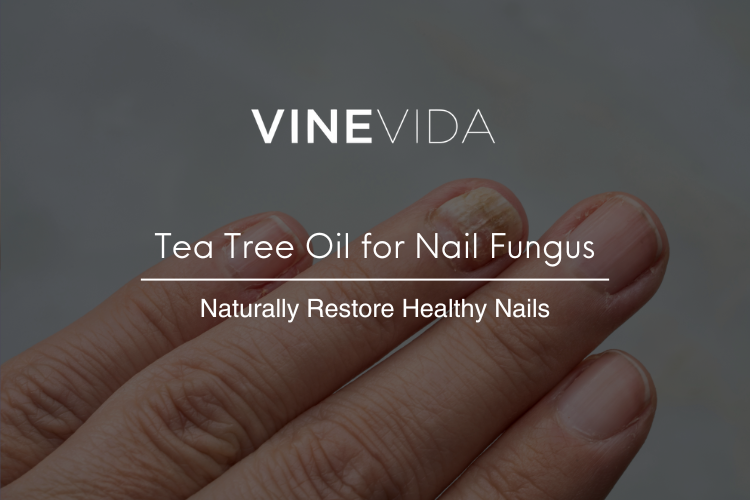
If you’ve noticed thick, yellow, or brittle nails that just won’t improve, you’re not alone. Nail fungus — or onychomycosis — affects millions of people every year. But here’s the good news: nature offers a powerful ally in your fight against it — tea tree oil.
Tea tree oil, extracted from the leaves of the Melaleuca alternifolia plant, is known for its antifungal, antibacterial, and anti-inflammatory properties. When used consistently, it can help clear nail fungus and restore healthy-looking nails — naturally.
Ready to get started? Here’s the 4-step routine that can make a visible difference.

What You’ll Need
-
-
Tea Tree Essential Oil — the hero ingredient with antifungal properties.
-
Coconut Oil or Jojoba Oil — carrier oils to dilute tea tree safely.
-
Optional boosters:
-
Lavender Essential Oil – soothing and skin-calming.
-
Eucalyptus Essential Oil – refreshing and antibacterial.
-
-
Clean nail clippers, file, cotton swabs, and a small bowl or foot bath.
-
Step 1: Prep and Clean Your Nails
Tea tree oil can only work if it reaches the fungus, so preparation matters.
How to prep:
-
- Wash your feet or hands thoroughly with warm, soapy water.
- Trim the infected nail as short as possible.
- File down thickened areas to allow deeper oil penetration.
- Clean beneath the nail edges, then dry completely.
Pro Tip: Fungus thrives in moisture — so always dry your nails well after showers or workouts.

Step 2: Apply Tea Tree Oil (Twice Daily)
Now it’s time to apply your treatment. Tea tree oil is potent, so dilution is key for safety and effectiveness.
For most users:
-
- Mix 1 drop of tea tree oil with 2 drops of carrier oil (like coconut or jojoba).
- Optional: Add 1 drop of lavender oil for added skin support.
How to apply:
-
- Dip a clean cotton swab or small nail brush into the mixture.
- Apply to the entire nail, edges, and under the tip.
- Let it soak for 10–15 minutes, then blot excess and let air-dry.
- Repeat morning and evening for consistent coverage.
Want to learn more about proper dilution? Read: How to Dilute Essential Oils for Safe Use.

Step 3: Soak for Deep Healing (3–4 Times per Week)
Soaking helps soften the nail plate and enhances oil absorption into deeper layers where fungus lives.
Simple foot soak recipe:
-
- 10 drops of tea tree oil
- 1 cup warm water
- 1 tablespoon Epsom salt (optional for soothing)
- 1 teaspoon fractionated coconut oil (optional for moisture)
Instructions:
-
-
Soak your feet for 15–20 minutes.
-
Rinse and dry thoroughly.
-
Follow with your diluted application from Step 2.
-
Clinical Insight:
Tea tree oil contains terpinen-4-ol, a compound shown to inhibit fungal growth and reduce inflammation (International Journal of Dermatology, 2013).

Step 4: Prevent Reinfection
Even after symptoms fade, fungal spores can linger — so prevention is crucial.
Daily habits to stop reinfection:
-
-
Disinfect shoes using a tea tree oil spray (10 drops tea tree + ½ cup witch hazel).
-
Wear breathable, moisture-wicking socks.
-
Avoid walking barefoot in public showers, locker rooms, or pools.
-
Keep nails trimmed and clean at all times.
-
After recovery, continue applying tea tree oil 2–3 times a week to maintain healthy nails.
-
For a long-term self-care option, try a DIY Tea Tree Cuticle Oil recipe: How to Make Your Own Nail & Cuticle Oil at Home.

Tea Tree Oil for Nail Fungus Treatment: Do's and Don'ts
Before you begin your routine, understand the right and wrong ways to use tea tree oil.
Even natural treatments can be ineffective — or irritating — if used incorrectly.
Follow these simple dos and don’ts to make your treatment safe and effective.
| Do’s | Don’ts |
|---|---|
| Use 100% pure, high-quality tea tree oil. | Don’t use synthetic or fragranced oils labeled as tea tree. |
| Dilute tea tree oil with a carrier oil before applying. | Don’t apply undiluted tea tree oil to sensitive or broken skin. |
| Clean and dry your nails thoroughly before each use. | Don’t apply to dirty, wet, or damp nails. |
| Apply treatment twice daily for best results. | Don’t expect instant improvement — nail fungus takes time to clear. |
| Trim and file nails regularly for deeper penetration. | Don’t share nail tools, socks, or shoes. |
| Disinfect shoes and socks frequently. | Don’t wear tight or non-breathable footwear. |
| Store oils in a cool, dark place. | Don’t expose oils to sunlight or heat. |
| Patch test before first use. | Don’t continue if redness or irritation develops. |
| Keep a light maintenance routine after healing. | Don’t stop treatment too soon — fungus can return. |
Final Thoughts
Tea tree oil isn’t a quick fix, but with patience, consistency, and the right routine, it can be one of the most effective natural remedies for nail fungus. When used daily, it helps clear discoloration, supports healthy nail regrowth, and prevents future infections — all without harsh chemicals.
If you’re ready to start your natural nail recovery journey, choose 100% Pure Tea Tree Essential Oil you can trust.
Begin your clean, natural nail care routine today — your feet (and your confidence) will thank you.