Tea Tree Oil for Skin in Winter: Benefits & Safe Use Guide
Winter brings low humidity, sharper winds, and indoor heating—all of which can disrupt the skin’s moisture balance and lead to irritation, flakiness, or seasonal breakouts. Using tea tree oil for skin during these colder months can provide natural support for those experiencing dryness or congestion, helping maintain clearer-looking skin.
Because winter skincare requires both protection and balance, tea tree oil becomes a reliable addition thanks to its naturally purifying qualities. When used correctly and safely diluted, it can help manage seasonal blemishes, refresh the complexion, and complement routines featuring winter skincare essential oils. The guide below looks closely at its benefits, safe application techniques, and supportive pairings that elevate seasonal results.
Why Tea Tree Oil Works Well in Winter

Tea tree oil maintains its popularity year-round, but winter makes its clarifying properties especially valuable. Lower humidity weakens the skin's moisture levels, which can trigger excess oil production as the skin tries to compensate—leading to clogged pores and breakouts.
Key Advantages for Winter Skin
-
- Balances Winter Oil Fluctuations: Helps minimize the appearance of excess oil triggered by environmental stressors.
- Supports Skin Purity: Its naturally cleansing properties help keep pores clearer when sweat and moisture levels decrease.
- Reduces the Look of Irritation: Winter redness, dry patches, and rough texture benefit from the tea tree’s calming abilities.
- Pairs Easily With Healing Oils: Works seamlessly with Lavender Essential Oil—a calming skin pairing—and other aromatics ideal for cold-weather support.
For dermatologist-backed winter skincare guidelines, visit the American Academy of Dermatology’s winter skin recommendations.
Benefits of Tea Tree Oil for Winter Skin

Tea tree oil offers several targeted benefits that make it particularly helpful when temperatures drop.
1. Helps Balance Seasonal Breakouts
Cold air tightens pores, while indoor heaters encourage oil buildup. Tea tree oil can help reduce excess oil and support clearer-looking skin.
2. Naturally Refreshes and Purifies
Its crisp aroma adds a rejuvenating note to winter routines, making it a favorite among essential oils for skin enthusiasts.
3. Supports Calmer Skin
Blending with Lavender Essential Oil helps reduce the appearance of stress or irritation after exposure to cold winds.
4. Complements Healing Oil Routines
This aligns well with your Healing Oil category, increasing visibility for single oils with strong conversion potential.
How to Dilute Tea Tree Oil for Skin (Safe Use Guide)
Proper application is crucial since winter leaves the skin more vulnerable. Many people specifically look up how to dilute tea tree oil for skin, and these ratios provide a simple winter-safe reference.
Recommended Dilution Ratios:
|
Skin Need |
Carrier Oil Amount |
Tea Tree Oil Drops |
|---|---|---|
|
General Daily Use |
1 tablespoon |
1 drop |
|
Spot Application |
1 teaspoon |
1 drop |
|
Winter Skin Relief Blend |
2 tablespoons |
2–3 drops |
Best Carrier Oils for Winter
-
- Jojoba Oil: Lightweight and similar to natural skin oils.
- Sweet Almond Oil: Offers deep nourishment for dry or flaky skin.
- Coconut Oil: Helps lock in moisture and maintain softness.
For essential oil safety guidelines, visit Aromatherapy Safety Guidelines by NAHA.
Winter Skincare Essential Oils That Pair Well with Tea Tree
Combining tea trees with supportive oils ensures a well-rounded winter routine.
Ideal Pairings
-
- Lavender Essential Oil: Helps reduce the appearance of irritation and dryness.
- Cedarwood Essential Oil: Supports balance for oily winter skin.
- Frankincense Essential Oil: Helps maintain hydration and overall winter skin comfort.
If you're exploring other aromatics that support emotional balance and grounding, oils such as Lavender, Cedarwood, Sandalwood, or Bergamot also fall within the healing oils category, offering versatile options for wellness routines.
Natural Anti-Blemish Oils for Winter
Seasonal breakouts can be more common due to barrier disruption and oil fluctuations. Several natural anti-blemish oils pair exceptionally well with tea tree.
Top Anti-Blemish Choices
-
- Rosemary Oil: Helps purify and refresh the complexion.
- Lemongrass Oil: Brightens and revitalizes dull winter skin.
- Geranium Oil: Supports balanced-looking skin and complexion clarity.
These oils work well in spot treatments, winter-friendly facial oils, or steam routines.
Trust Vinevida for a Better Winter Skincare Experience
Tea tree oil remains a reliable winter skincare ally due to its clarifying and balancing properties. With proper dilution and thoughtful pairings, it can help support clearer-looking, calmer skin throughout the colder months.
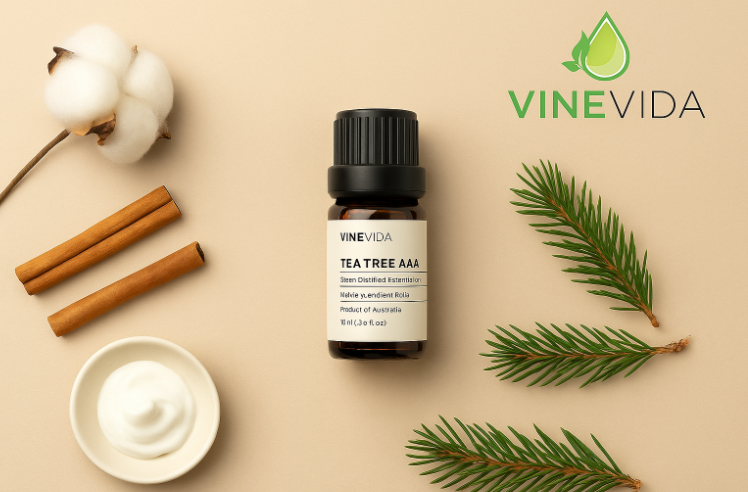
Vinevida offers premium-quality essential oils crafted for purity and aromatic richness. Our Tea Tree Essential Oil and other healing oils provide dependable solutions for winter routines and seasonal wellness. We invite you to explore our collection and start building a winter routine you can feel confident about.
If you enjoy discovering new wellness ideas, you can stay connected with us across our social platforms for inspiration and helpful aromatherapy tips. Join the conversation and community updates on Facebook, or explore visually curated diffuser blends and lifestyle content on Instagram. For mood boards, pairing ideas, and creative routines, follow us on Pinterest. You can also stay informed with quick updates and product news on Twitter.
If you ever have questions or need personalized guidance, our team is here to help. You can reach us anytime through our contact form, and we’ll respond within 24 hours to assist with your wellness needs.
Frequently Asked Questions
Is tea tree oil good for winter?
Yes, tea tree oil is helpful during winter because it supports seasonal wellness and helps keep the air feeling fresh. Many people use it for its cleansing aroma and its ability to reduce musty indoor odors that often build up in colder months.
When should I avoid tea tree oil?
Tea tree oil should be avoided if you have known sensitivities or if irritation appears after use. It is also important to avoid applying it to broken or severely irritated skin, as reactions may become more noticeable.
Where should I not put tea tree oil?
Tea tree oil should not be applied near the eyes, inside the ears, or on mucous membranes. These areas are sensitive and can react strongly, even when the oil is diluted.
What are the side effects of tea tree oil on the skin?
Possible side effects may include redness, dryness, or mild irritation, especially for those with sensitive skin. Reactions often occur when the oil is used undiluted or applied too frequently.
Can I put tea tree oil on my skin every day?
No, daily use is not recommended for most people, as frequent application can lead to dryness or irritation over time. Occasional and properly diluted use is generally safer and more comfortable for the skin.